Tracing Payment Speed Effects on Multi-Table Strategies in Handheld Card and Reel Events
Written by Logan Ludwig · Jul 15, 2026
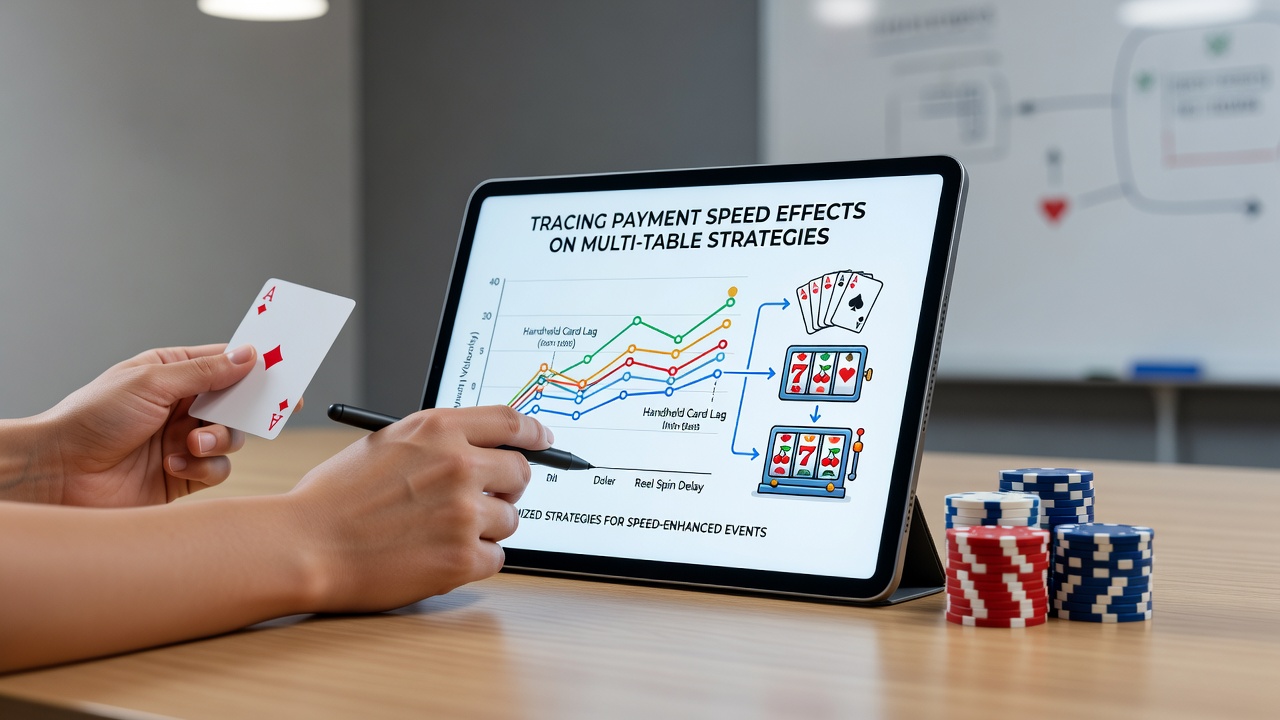
Tracing Payment Speed Effects on Multi-Table Strategies in Handheld Card and Reel Events
Data from mobile gaming platforms shows that payment processing times directly influence how participants manage simultaneous sessions in card and reel formats. Faster transaction confirmations allow players to shift funds between tables without interrupting play sequences, whereas delays create bottlenecks that restrict table counts and force adjustments in bankroll allocation.Payment Infrastructure in Portable Gaming Environments
Transaction pathways in handheld systems rely on integrated gateways that handle deposits and withdrawals through banking apps, digital wallets, and card networks. Platforms operating in regulated markets report average deposit completion windows ranging from under ten seconds for instant methods to several minutes for traditional transfers. In July 2026 figures released by state oversight bodies indicate that operators using optimized processors reduced average confirmation times by 35 percent compared with the prior year.
Reel events on mobile devices often require rapid top-ups during bonus rounds, while card competitions demand steady reserves across multiple active hands. Observers tracking session logs note that payment velocity determines whether a participant can sustain four or more concurrent tables without pausing for reloads.
Multi-Table Dynamics Under Variable Processing Speeds
Multi-table participation in portable card events typically involves players monitoring separate windows for Texas Hold'em, Omaha, and tournament formats at once. Reel competitions add layers when progressive jackpots or timed spins trigger simultaneous buy-ins. Research conducted by industry analytics groups demonstrates that deposit speeds below thirty seconds correlate with higher average table counts per user, reaching 6.2 tables during peak hours.
Conversely, processing delays exceeding two minutes lead participants to consolidate activity onto fewer tables. This consolidation appears in usage data as reduced overall hand volume yet increased stake sizes per table to maintain target returns.

Strategic Adjustments Linked to Transaction Timing
Participants adapt their approaches when payment speeds fluctuate. One documented pattern involves pre-loading multiple accounts before entering sessions, a tactic observed more frequently on platforms with slower withdrawal processing. Data indicates that users on systems averaging forty-five second deposits maintain tighter stack management across tables compared with those experiencing variable delays.
Bankroll segmentation strategies also shift. Faster payments enable dynamic reallocation where winnings from one table fund entries on others without exiting active play. Slower systems prompt conservative reserve splits that limit exposure but cap potential session earnings. Reports from the Nevada Gaming Control Board highlight similar patterns in regulated mobile offerings during the first half of 2026.
Regional Variations and Platform Comparisons
Markets with mature instant-payment regulations, such as certain Canadian provinces and Australian states, show elevated multi-table participation rates. Platforms licensed under these frameworks process over 80 percent of transactions within fifteen seconds according to aggregated operator disclosures. In contrast, jurisdictions still transitioning to updated frameworks report wider variance in completion times that correlates with lower average table loads.
Case examples from platform telemetry reveal that reel events experience sharper drops in concurrent play when payment friction increases, because spin sequences tolerate fewer interruptions than card hand cycles. Card-focused users demonstrate greater tolerance for brief pauses yet still reduce table counts when delays exceed one minute.
Measurement Approaches and Data Sources
Analytics firms compile metrics by logging timestamp differences between payment initiation and table activation. These datasets feed into models that predict session length and table-switching frequency based on processing speed brackets. A study released by the University of Nevada, Las Vegas International Gaming Institute in early 2026 examined over 2.4 million mobile sessions and found statistically significant links between sub-twenty-second processing and sustained multi-table engagement lasting beyond ninety minutes.
Additional indicators include withdrawal speed, which influences post-session behavior and subsequent deposit willingness. Faster cash-out cycles appear to encourage repeat participation across both card and reel formats.
Conclusion
Payment speed functions as a measurable variable that shapes multi-table execution in handheld card and reel events. Platform telemetry, regulatory filings, and academic analyses converge on the observation that reduced transaction windows expand viable table counts while slower pathways prompt consolidation tactics. Operators and participants alike track these metrics to calibrate session structures within current market conditions.