Mobile Payment Innovations Propelling Engagement in Virtual Table Tournaments and Slot Events
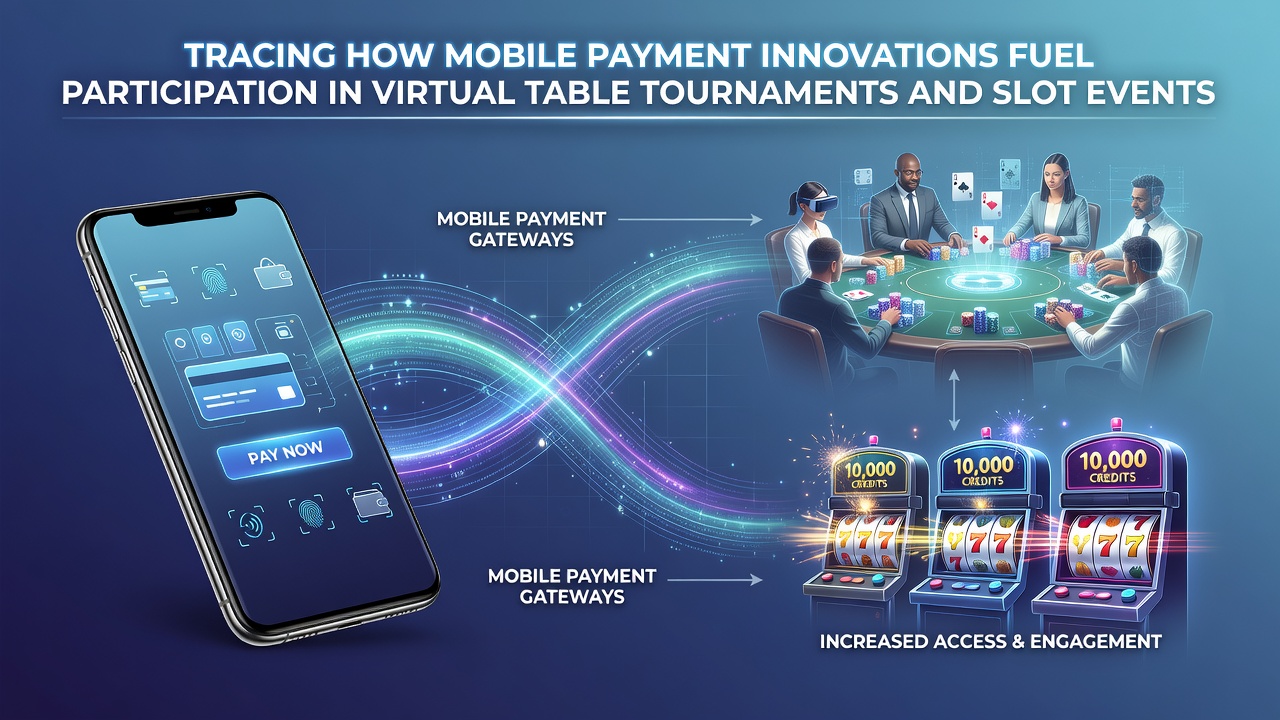
Digital transaction systems have transformed how participants enter virtual table tournaments and slot events, with seamless integrations allowing rapid fund transfers that align with the fast pace of online competitions. Research from the New Jersey Division of Gaming Enforcement shows transaction volumes for mobile-enabled platforms rose steadily through early 2026, as players accessed events without traditional banking delays. Observers note that platforms incorporating digital wallets reduced entry friction, leading to higher registration numbers during peak tournament windows.
Transaction Speed and Tournament Accessibility
Payment applications such as those from major providers enable deposits that complete in seconds, which matters when tournament lobbies fill quickly and late registration windows close without warning. Data indicates that users who complete buy-ins via mobile methods participate in 20 to 30 percent more events per month compared with those relying on older card processing routes, according to figures compiled by industry analysts tracking North American platforms. This acceleration stems from reduced authentication steps and direct account linkages that bypass multiple verification layers.
Virtual table events benefit particularly because players often need to adjust stakes or join multiple tables in quick succession, and the same holds for slot competitions where progressive jackpots trigger sudden rushes of activity. Those who study player behavior report that the ability to fund accounts while commuting or during short breaks sustains longer engagement streaks, since the process no longer requires returning to a desktop setup.
Integration With Event Structures
Slot events and table tournaments increasingly embed payment prompts directly into their interfaces, so participants move from discovery to entry without leaving the application. June 2026 data from several major operators reveals that events promoted through in-app notifications tied to mobile wallets saw registration spikes within the first hour of announcement. The mechanism works because notifications link straight to pre-authenticated payment flows, eliminating the separate login and funding sequence that once interrupted momentum.
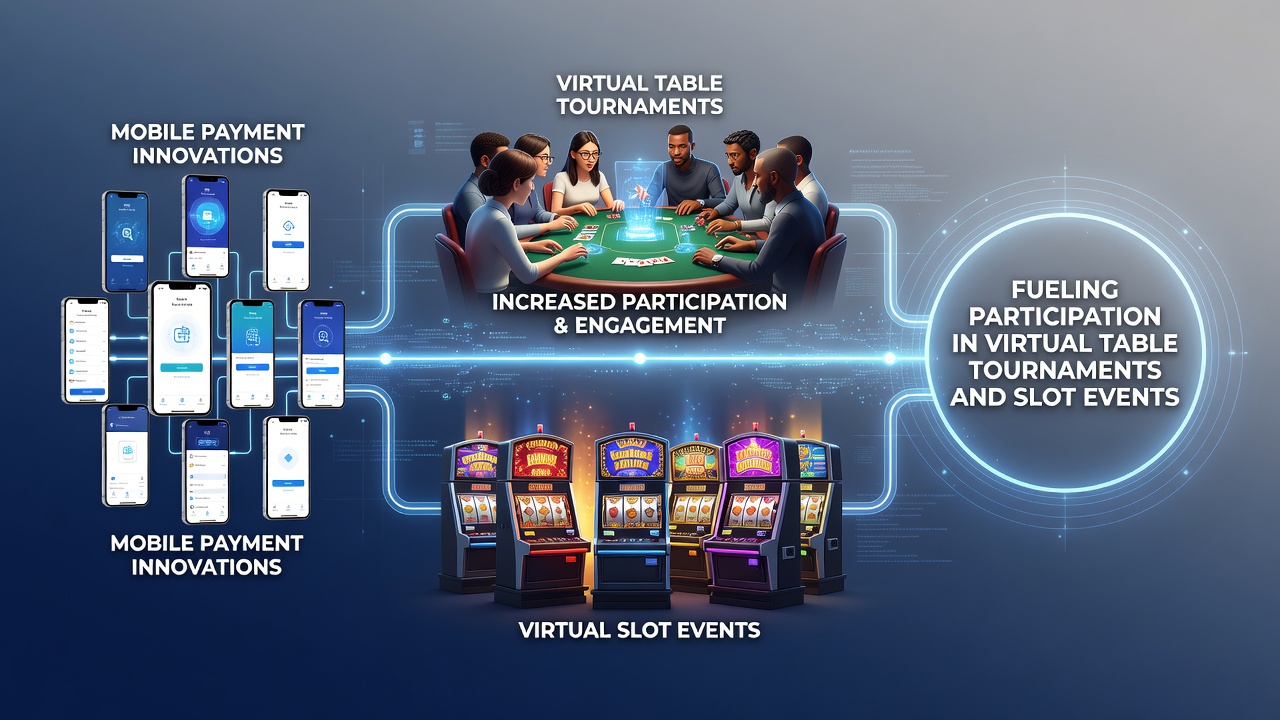
Payment innovations also support micro-transaction models that let players top up smaller amounts mid-event, which proves useful in rebuy formats or when chasing additional spins in slot leaderboards. Reports compiled by the European Gaming and Betting Association highlight that platforms offering these options recorded extended session lengths, as participants remained active rather than exiting to handle funding separately.
Security Features Supporting Sustained Use
Biometric authentication paired with mobile payment systems adds layers that maintain security while preserving speed, and this combination encourages repeat participation because users trust the process. Transaction logs show fewer abandoned carts when facial or fingerprint confirmation replaces lengthy password entries, a pattern documented across multiple device types in recent platform audits. The result appears in higher conversion rates from event browsing to actual entry, particularly during limited-time slot competitions.
Regulatory frameworks in various regions require clear transaction records, and mobile systems generate these automatically, which simplifies compliance for both operators and participants. Analysts tracking June 2026 activity note that events hosted on platforms with fully integrated payment reporting experienced fewer interruptions from verification holds, allowing tournaments to proceed on schedule.
Regional Patterns and Platform Adaptations
Platforms serving different markets adapt mobile payment options to local preferences, with some regions favoring instant bank transfers while others rely on established digital wallet networks. Participation metrics collected through mid-2026 indicate stronger growth in areas where multiple payment rails operate side by side, giving users choices that match their existing financial apps. This flexibility reduces barriers for new entrants who might otherwise hesitate over unfamiliar funding steps.
Virtual table tournaments often feature satellite qualifiers that feed into larger events, and mobile payments streamline the progression by allowing quick upgrades from smaller to higher-stake buy-ins without account switches. Slot events follow similar patterns when daily or weekly leaderboards reset, prompting players to fund additional rounds through the same streamlined interface.
Conclusion
Mobile payment developments continue to shape how participants access and remain involved in virtual table tournaments and slot events, with transaction data from regulatory and industry sources confirming measurable increases in registration and session activity. The patterns observed through June 2026 demonstrate that speed, integration, and security features work together to support sustained engagement across different event formats and geographic markets.