Linking Payment Processing Efficiency to User Loyalty in Mobile Poker Leagues and Casino Incentive Programs
Written by Ben Franke · Jun 19, 2026
Linking Payment Processing Efficiency to User Loyalty in Mobile Poker Leagues and Casino Incentive Programs
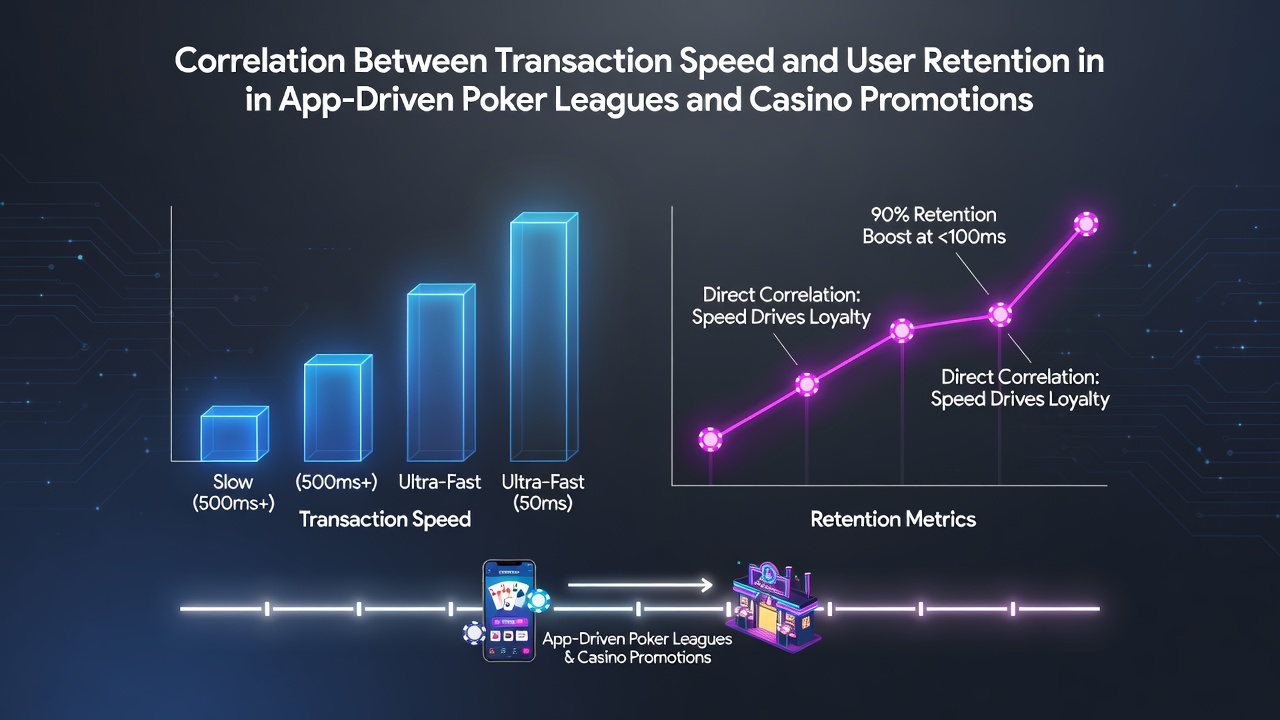
Transaction speed has emerged as a measurable factor in how app-driven poker leagues and casino promotions maintain player engagement over time, with data from multiple gaming markets indicating direct ties between processing times and continued participation rates. Researchers tracking user behavior in 2025 and into June 2026 have documented that platforms achieving sub-three-second deposit confirmations often record higher month-over-month retention compared to those with longer waits, particularly when promotions tie directly into quick buy-ins or bonus activations.
Defining Transaction Speed in Digital Gaming Environments
Transaction speed encompasses the full cycle from user initiation of a deposit or withdrawal through final confirmation and fund availability for play, including authentication steps and network handshakes that occur behind the scenes. In poker league apps, this metric directly affects tournament entry windows where late registration closes rapidly, while casino promotions often hinge on instant crediting of matched deposits or free spin bonuses to capitalize on player momentum. Observers note that systems integrated with real-time payment rails, such as those supporting instant bank transfers or digital wallets, reduce friction points that previously interrupted session flow during peak evening hours.
Retention Metrics Commonly Tracked in These Platforms
Retention metrics in this sector typically include day-one return rates, seven-day active user percentages, and thirty-day churn figures, alongside deeper indicators like average sessions per retained player and lifetime value calculations segmented by transaction history. Data aggregated across North American and European operators shows these figures fluctuate in tandem with payment performance, especially when promotions require repeated deposits within short timeframes to unlock escalating rewards. Those who have studied app telemetry report that players completing their first transaction in under five seconds demonstrate measurably lower abandonment rates during the critical onboarding phase compared to slower cohorts.
Studies from academic institutions have begun quantifying these patterns through controlled platform tests, revealing consistent patterns where faster processing correlates with extended engagement windows. One analysis conducted at a major research university examined anonymized logs from multiple poker applications and found that each additional second of average processing delay corresponded to a measurable dip in repeat login frequency over subsequent weeks.
Observed Correlations Across Poker Leagues and Casino Promotions
Evidence suggests the strongest correlations appear in hybrid environments where poker leagues incorporate casino-style promotions, such as deposit multipliers available only during tournament breaks. Platforms that maintained average transaction times below two seconds throughout early 2026 reported sustained active user bases even amid seasonal dips, while slower competitors experienced steeper declines once initial signup bonuses expired. Australian regulatory filings from the same period highlighted similar trends among operators offering mobile reel competitions alongside poker circuits, with transaction velocity listed as a contributing variable in retention reports submitted to oversight bodies.
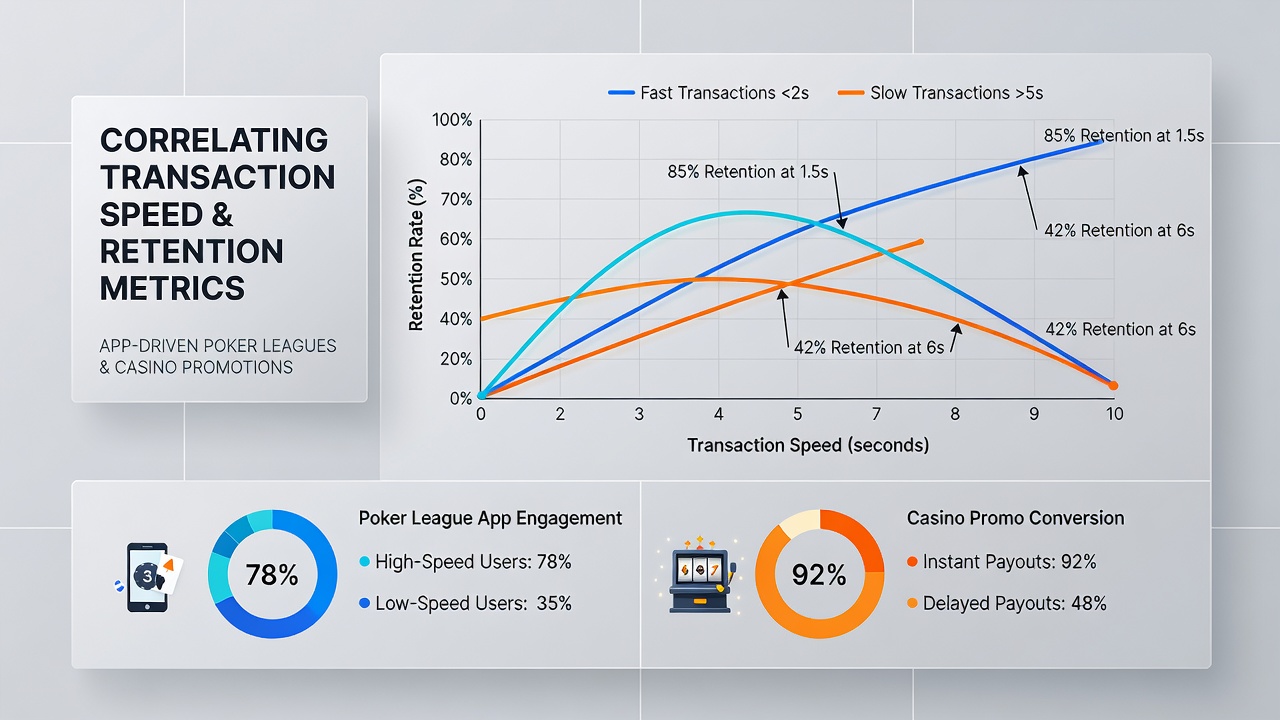
What's interesting here is how promotional structures amplify these effects. When casino incentives require players to deposit and wager within tight windows, delays in fund availability can shift momentum entirely, prompting users to abandon the app for alternatives with smoother processing. Canadian provincial data releases from spring 2026 illustrated this dynamic in operator performance summaries, showing elevated retention among programs that integrated instant verification layers with their promotional calendars.
Technical Factors Influencing Speed and Subsequent Retention
Backend architecture choices, including payment gateway partnerships and caching mechanisms for user verification tokens, determine much of the observable speed variation across competing applications. Operators adopting distributed ledger elements for transaction logging have reported incremental gains in processing reliability, which in turn supports higher completion rates for time-sensitive league entries. Those tracking device-level performance additionally note that native app implementations often outperform web-based versions in transaction throughput, contributing to differentiated retention outcomes between player segments.
Regulatory updates scheduled for implementation around mid-2026 in several jurisdictions emphasize standardized reporting of transaction performance alongside traditional metrics, potentially accelerating industry-wide focus on optimization. Industry associations have begun compiling comparative benchmarks that allow operators to position their platforms against peers using consistent measurement frameworks.
Practical Examples from Recent Platform Deployments
One documented rollout involved a North American poker league app that reduced its average deposit confirmation from eight seconds to under two through gateway consolidation, resulting in documented improvements in weekly retention figures tracked over the following quarter. Similar adjustments in casino promotion delivery systems, particularly those handling reel game bonus credits, produced parallel shifts in player return patterns according to internal telemetry shared with research partners. These cases illustrate how targeted infrastructure investments translate into measurable loyalty indicators without requiring changes to the underlying game mechanics themselves.
Conclusion
Current patterns indicate that transaction speed functions as a foundational element within broader retention strategies for app-driven poker leagues and casino promotions, with empirical connections documented across multiple markets through 2026. Continued monitoring of these correlations will likely shape development priorities as platforms refine their technical stacks and promotional designs in response to user behavior data.