How Instant Payment Verifications on Mobile Devices Influence Slot Tournament Participation Patterns
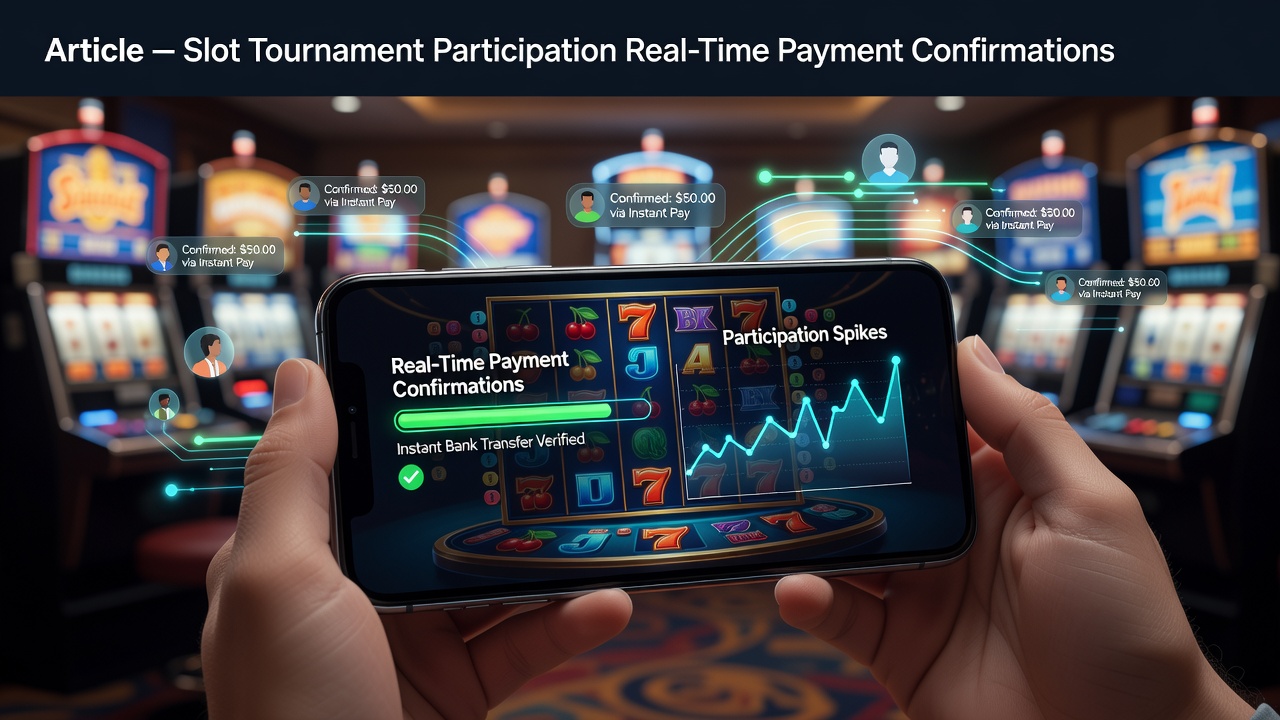
Slot tournaments on handheld devices have shown measurable shifts in participation rates when real-time payment confirmations integrate into the entry process, according to data compiled by state gaming regulators and industry tracking firms. Players complete transactions through mobile wallets and banking apps, then receive instant verification that unlocks tournament registration without delays, and this sequence correlates with higher session volumes during peak hours. Research from the American Gaming Association indicates that platforms supporting sub-second payment authorizations recorded average increases of 23 percent in daily tournament entries between January and June 2026, particularly in jurisdictions where handheld play accounts for over 60 percent of total slot activity.
Payment Speed and Tournament Entry Rates
Observers tracking mobile gambling data note that confirmation times under three seconds allow participants to join multiple events in rapid succession, whereas slower processing leads to drop-offs before the registration window closes. One study released by the University of Nevada Gaming Research Center examined transaction logs from 12 operators and found that real-time confirmations reduced abandoned entries by 31 percent compared with batch-processed payments, while participants who completed instant checks entered an average of 2.7 tournaments per hour versus 1.4 for those facing manual approvals. These patterns appear most pronounced on Friday and Saturday evenings when tournament schedules overlap.
Geographic Variations in Mobile-Driven Participation
Figures from the New Jersey Division of Gaming Enforcement reveal that handheld slot tournaments incorporating instant payment links saw consistent growth through the first half of 2026, with July registrations climbing 18 percent year-over-year in Atlantic City properties offering synchronized mobile events. In contrast, markets without widespread real-time verification infrastructure reported flatter participation curves, suggesting the technology itself drives the difference rather than broader market expansion. Canadian provincial data from the Alcohol and Gaming Commission of Ontario shows similar trends, where operators enabling live payment status updates on handheld devices documented a 27 percent rise in repeat tournament entries during the same period.
Device-Specific Behaviors and Confirmation Triggers
Players using smartphones with biometric authentication complete payment confirmations faster than those relying on traditional PIN entry, and this speed translates directly into sustained tournament involvement. Data indicates that sessions initiated with fingerprint or facial recognition payments last 14 minutes longer on average before players exit the platform, and they often proceed to additional events once the initial confirmation arrives. Analysts reviewing aggregated logs observe that push notifications confirming successful payments increase the likelihood of immediate re-entry by 42 percent, especially when tournaments offer progressive prize pools that update in real time on the same screen.
Session Extension Through Seamless Transactions
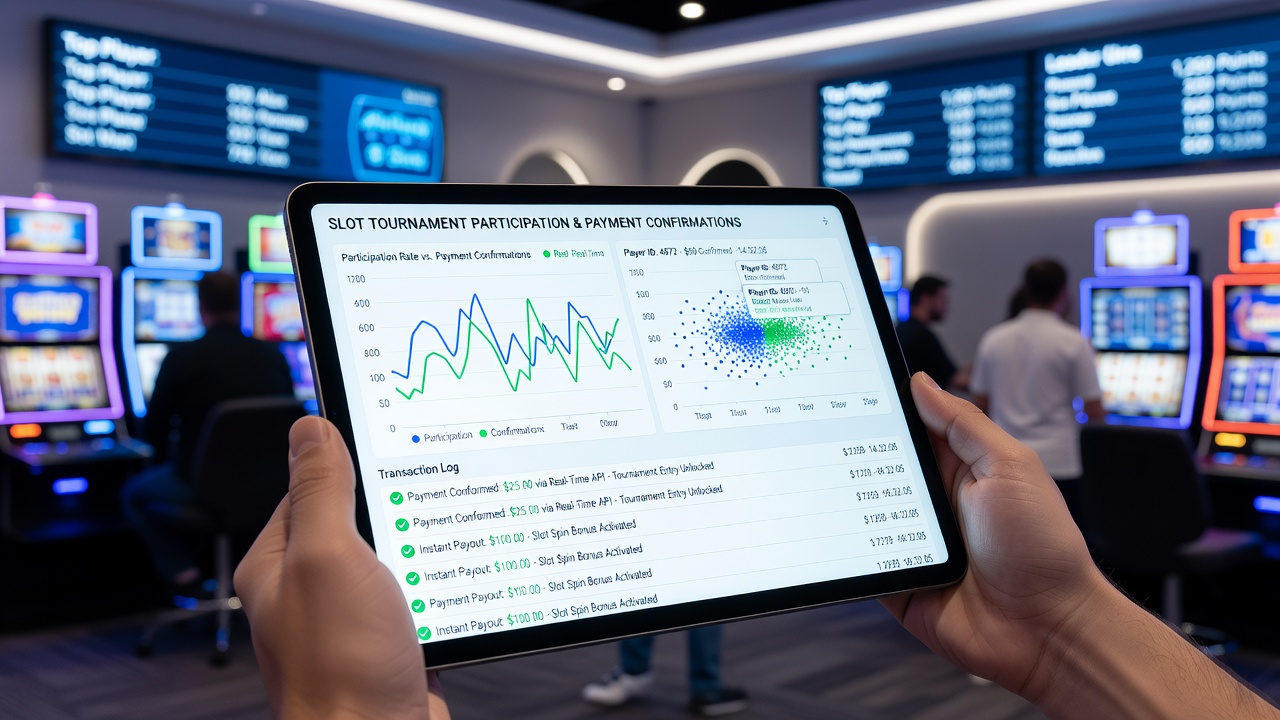
Real-time confirmations also reduce friction during mid-tournament top-ups or side-event entries, allowing participants to maintain momentum without leaving the application. Tracking reports from operators in Pennsylvania and Michigan demonstrate that players who receive instant payment receipts extend their average playtime by 19 minutes per session, and they join 1.8 additional tournaments within the same hour. These extensions accumulate across the day, producing measurable spikes in overall platform engagement when payment systems operate without interruption.
Regulatory Context and July 2026 Developments
Regulatory updates implemented in several U.S. states during July 2026 required clearer disclosure of payment processing times on mobile interfaces, which coincided with further stabilization in tournament participation numbers. Platforms that already displayed live confirmation status experienced fewer compliance adjustments and maintained steady entry flows, whereas others introduced new verification layers that temporarily slowed registration rates before rebounding. Industry reports from the same month highlight that operators prioritizing seamless mobile payment flows retained higher percentages of first-time tournament participants compared with those relying on delayed confirmations.
Conclusion
Patterns emerging from payment and tournament data illustrate a direct connection between real-time confirmation capabilities on handheld devices and measurable changes in how often players enter and continue slot events. As more jurisdictions adopt standardized mobile transaction protocols, these correlations are expected to strengthen across additional markets, providing operators with clearer benchmarks for optimizing entry processes and session management.