Exploring Interconnections of Reward Designs and Device-Driven Participation in Card and Reel Competitions
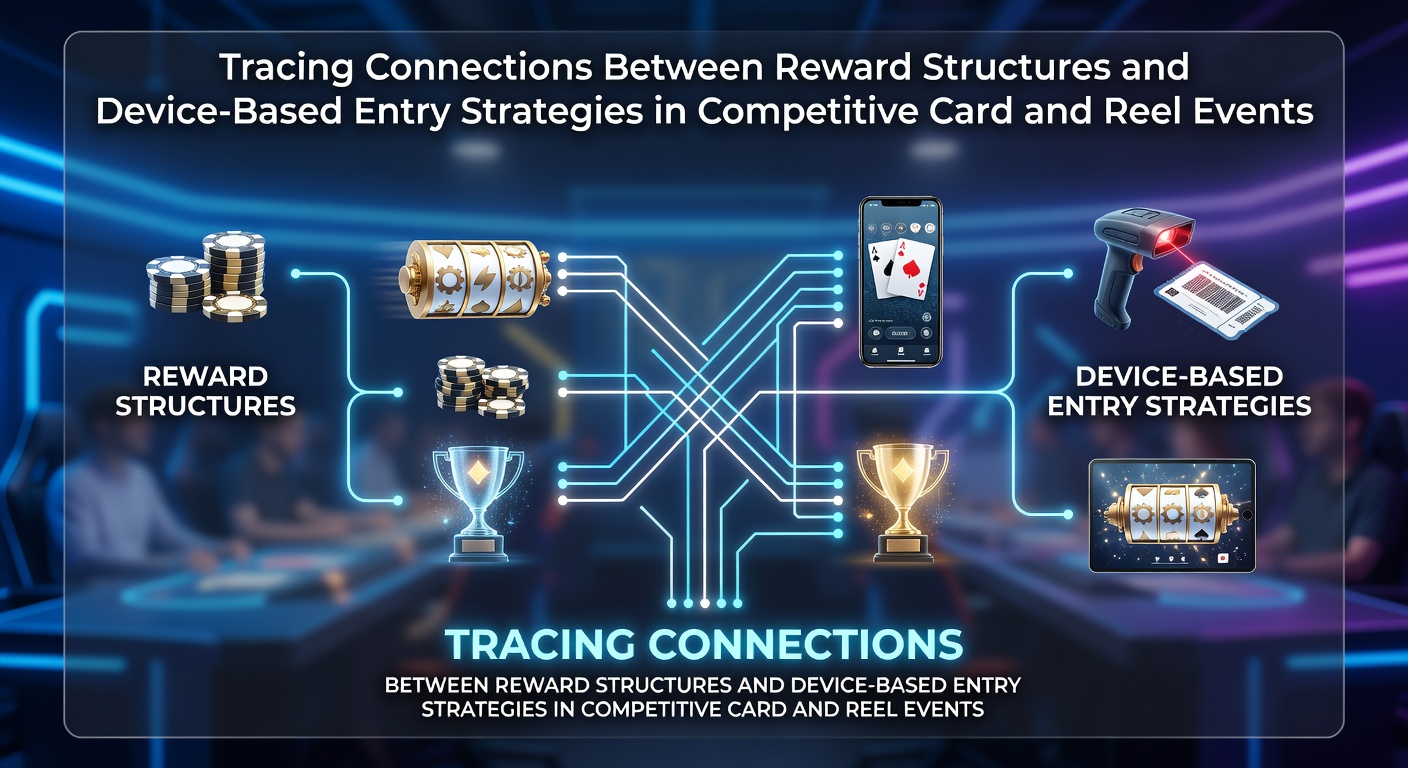
Competitive card events such as poker tournaments and reel-based competitions like slot machine contests have developed intricate systems where reward structures align directly with the ways participants enter through various devices; data from industry analyses in early 2026 shows that mobile-first entry points now account for over 65 percent of total tournament registrations across major platforms, while desktop options continue to serve specific segments focused on extended play sessions. Researchers tracking these patterns note that reward tiers often scale according to device type, with instant bonus credits frequently attached to mobile sign-ups that complete within the first hour of an event opening.
Device Entry Patterns in Tournament Formats
Entry strategies built around smartphones and tablets allow organizers to push time-sensitive incentives such as doubled loyalty points or reduced buy-in fees during peak registration windows, and this approach connects tightly to the overall reward architecture because shorter device sessions tend to trigger smaller but more frequent payouts. Observers tracking May 2026 tournament calendars report that reel events scheduled mid-month saw mobile entries rise by 22 percent compared with the prior year, largely because push notifications delivered directly to player devices highlighted progressive jackpot accumulations tied to those specific competitions.
Card tournaments meanwhile maintain a split between device categories, since serious players often prefer larger screens for tracking multiple tables simultaneously; yet reward programs have adapted by offering tablet users exclusive access to satellite qualifiers that feed into main events with higher prize pools. Studies conducted by academic groups specializing in digital gaming behavior indicate that participants who enter via dedicated apps complete an average of 3.2 more rounds per session than those using browser-based interfaces, which in turn influences how operators structure escalating reward ladders.
Alignment Between Incentives and Access Methods
Operators design reward structures so that device-based entry directly feeds into tiered benefit systems, where early mobile registrants receive priority seating or additional starting chips while desktop users gain access to detailed analytics tools that support longer-term strategy development. This connection becomes visible in the way bonus multipliers activate only after a player logs in from the same device used for initial registration, creating a traceable pathway from entry method to final payout distribution. Figures released by the European Gaming and Betting Association reveal that integrated reward systems of this type increased repeat participation rates by 18 percent during the first quarter of 2026.
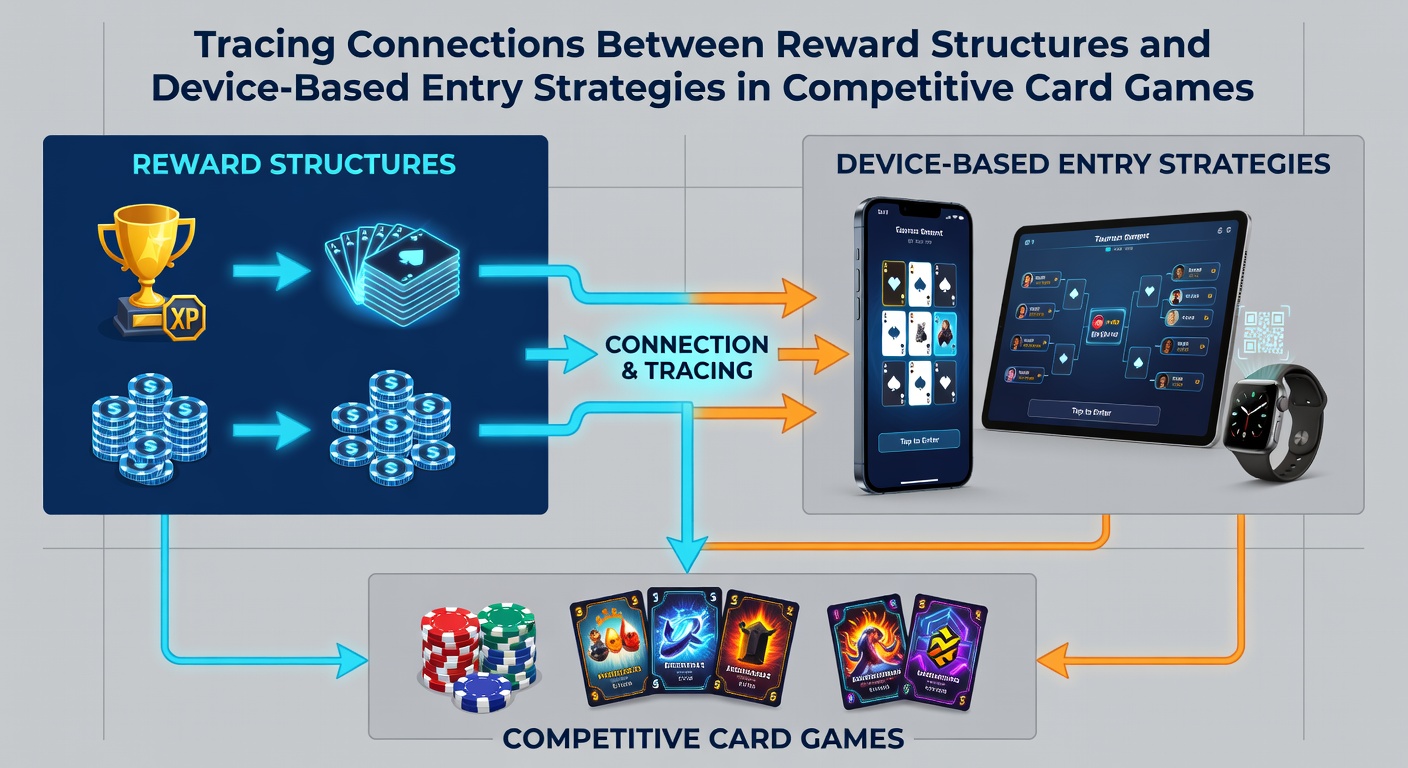
Reel competitions have adopted similar mechanics, with many events now requiring a mobile app download before players can claim free spins that accumulate toward leaderboard positions; the result is a closed loop where device choice determines both access speed and the volume of rewards available throughout the competition cycle. Those who have examined platform data note that cross-device synchronization features, introduced in late 2025, allow players to begin on mobile and finish on desktop without losing accumulated bonuses, although adoption rates vary by region.
Regional Regulatory Influences on Reward and Entry Integration
Regulatory frameworks in North America and parts of Asia have begun requiring clear disclosure of how device entry affects reward eligibility, and this has prompted operators to publish device-specific terms alongside tournament rules. In Australia, for instance, state-level gaming authorities have documented cases where mobile entry incentives must meet the same transparency standards applied to traditional advertising, leading to standardized labeling across multiple platforms. Research institutions examining these requirements found that transparent reward mapping correlates with higher trust scores among participants who use multiple device types during a single event series.
Meanwhile, industry reports compiled by the Canadian Gaming Association highlight that provinces permitting online card and reel events saw a 31 percent increase in combined mobile and tablet registrations during April and May 2026, coinciding with the rollout of unified reward wallets that track activity regardless of entry point. These developments illustrate how regulatory environments shape the technical connections between entry strategies and the underlying reward mechanics that sustain long-running competitions.
Future Trajectories for Integrated Systems
Platform developers continue refining algorithms that predict optimal reward timing based on device usage patterns, allowing events to adjust prize distributions dynamically as registration numbers fluctuate across mobile, tablet, and desktop channels. Data collected through 2026 indicates that events employing these predictive models experienced fewer drop-offs between qualification rounds and final tables, particularly in reel-based formats where short session lengths dominate. Observers expect continued refinement of these systems as new device categories, including foldable screens and wearable interfaces, enter mainstream tournament play.
Conclusion
The documented links between reward structures and device-based entry strategies demonstrate a maturing ecosystem in which card and reel competitions function through tightly coordinated technical and incentive layers; ongoing data collection from regulatory bodies and industry groups will likely shape how these connections evolve through the remainder of 2026 and beyond.