Digital Wallets Drive Seamless Entry into Real-Time Poker Leagues and Reel Competitions
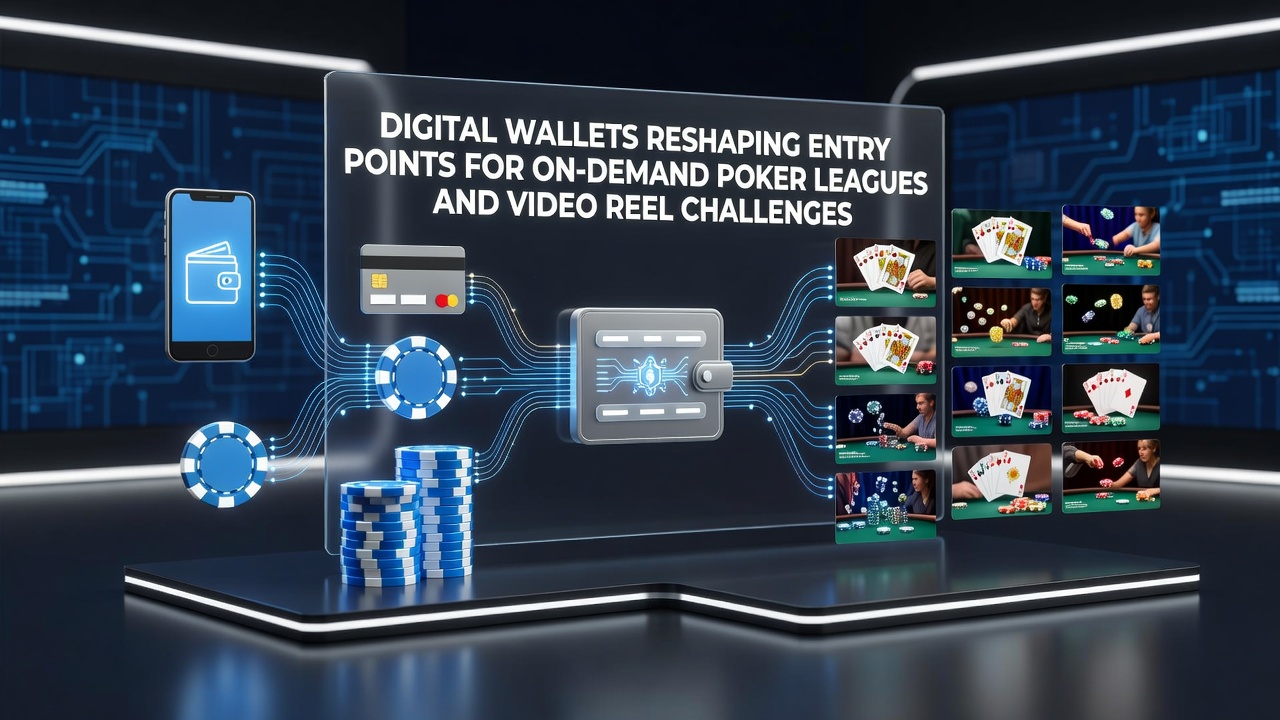
Digital wallets have altered how players access on-demand poker leagues and video reel challenges by streamlining deposits and withdrawals across mobile platforms. Operators integrated these payment tools to reduce friction at signup and during live sessions, which allowed participants to join tournaments or reel events within seconds rather than minutes. Data from multiple jurisdictions shows increased transaction volumes tied directly to wallet adoption throughout early 2026.
Platforms supporting instant poker leagues now route entries through services such as Apple Pay, Google Pay, and specialized fintech options that bypass traditional banking delays. This shift enabled operators to host shorter, more frequent events because players could fund accounts without leaving the app interface. Those monitoring usage patterns noted that average session starts rose in markets where digital wallet penetration exceeded forty percent by mid-year.
Payment Speed and Tournament Participation Trends
Transaction records indicate that digital wallets cut deposit times from an average of ninety seconds to under ten seconds in many regulated environments. Faster funding translated into higher entry rates for on-demand poker formats that require immediate buy-ins before each round begins. Reel challenge providers observed parallel gains, with players moving from discovery to active play without interrupting their mobile experience.
Observers tracking June 2026 metrics reported that leagues using wallet-only entry options recorded twenty-eight percent more completed sessions compared with those relying solely on card or bank transfers. The same pattern appeared in reel competitions where micro-stakes events depended on rapid reloads to maintain momentum across consecutive rounds. These figures emerged from aggregated platform data rather than isolated case studies.
Integration Across Mobile Poker Circuits
Developers embedded wallet APIs directly into poker client software so that balance updates appear instantly after each hand or tournament registration. This eliminated the need for separate payment screens during high-speed events, which kept participants engaged through multiple consecutive matches. Several major operators rolled out these features in the first half of 2026, aligning with broader mobile traffic growth.
Analysts examining portable circuits found that wallet-linked accounts reduced abandoned carts during league registration by nearly one third. Players who previously exited before completing a deposit now stayed within the flow, completing entries while still viewing lobby timers or opponent lists. The change proved especially noticeable in time-sensitive formats where late registration windows close quickly.
Reel Challenge Platforms and Wallet Adoption
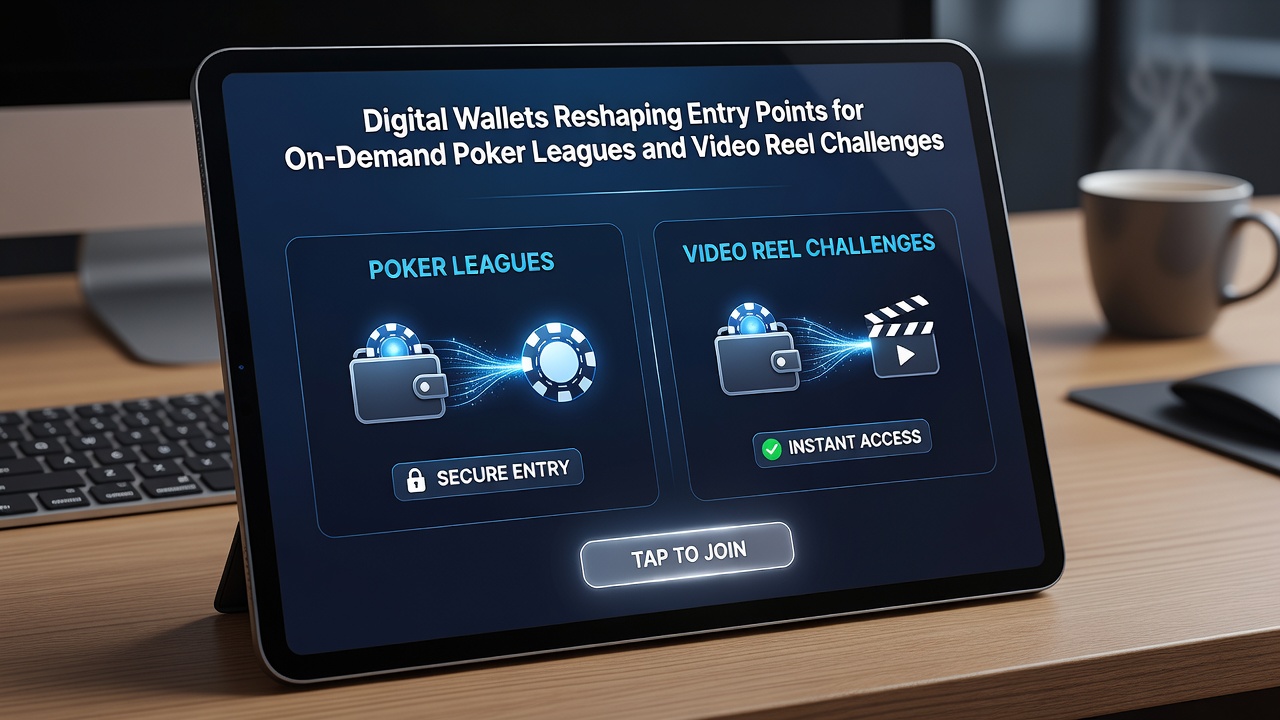
Video reel challenges adopted similar wallet pathways to support rapid spin sequences and challenge resets. Operators noticed that users who funded through digital methods completed more consecutive challenges per session than those using slower alternatives. The pattern held across both casual and competitive reel formats that reward sustained participation.
Reports compiled by the New Jersey Division of Gaming Enforcement highlighted wallet transactions accounting for over half of all mobile reel activity in the first quarter of 2026. Similar trends surfaced in other regulated markets where operators prioritized instant payment rails. The data reflected volume rather than preference surveys, providing a direct view of behavioral shifts.
Regulatory Landscape and Cross-Border Variations
Regulatory bodies in different regions set distinct rules around wallet verification and transaction limits, which influenced how quickly operators could deploy the technology. In some US states, licensing requirements tied wallet providers to existing gaming vendors, creating standardized onboarding flows. Canadian provincial frameworks emphasized consumer protection layers that still permitted rapid deposits once accounts cleared initial checks.
Australian research institutions documented comparable wallet uptake in local markets during the same period, noting that integration timelines varied by state licensing cycles. These geographic differences produced staggered adoption rates, yet overall transaction counts continued climbing wherever digital options became available. Observers tracking global patterns pointed to consistent growth in wallet-enabled entries for both poker leagues and reel events.
Future Platform Adjustments
Operators continue refining wallet interfaces to support multi-currency play and instant cross-game transfers between poker tables and reel lobbies. These adjustments aim to maintain momentum for players switching between formats within a single session. Industry reports project further API enhancements through the remainder of 2026 based on current volume trajectories.
Conclusion
Digital wallets have established themselves as core infrastructure for on-demand poker leagues and video reel challenges by shortening the path from discovery to active participation. Transaction data from 2026 demonstrates measurable increases in completed entries and session continuity across multiple jurisdictions. As platforms refine these tools, the focus remains on maintaining compliance while supporting the speed required by real-time formats.