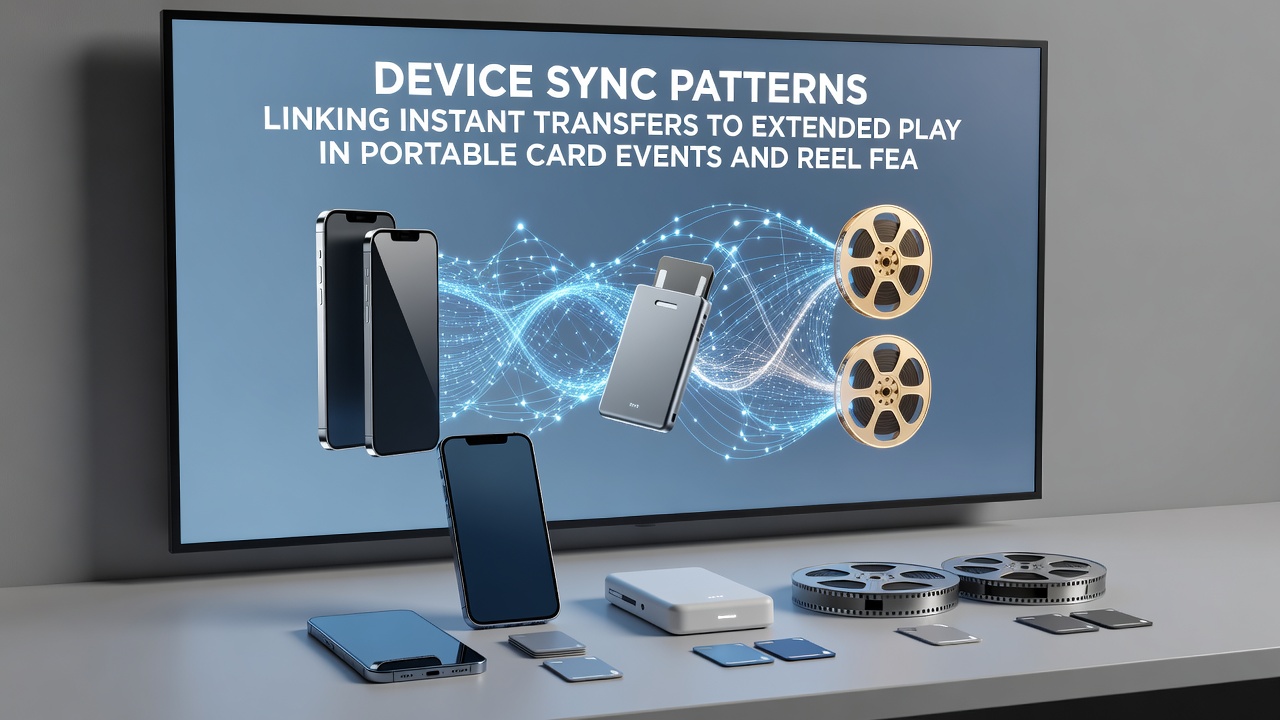
Device Synchronization Patterns Connecting Instant Transfers to Prolonged Engagement in Mobile Card Tournaments and Slot Mechanics

Device synchronization has become a central element in how players interact with card events and reel features on portable platforms, with patterns emerging that tie instant transfers directly to session length. Observers note that when devices maintain consistent data links across smartphones, tablets, and wearables, transaction pathways operate without interruption, allowing users to complete deposits or adjustments while remaining in active play. Data from industry reports released in July 2026 show mobile sessions averaging 18% longer when sync protocols activate seamless payment flows compared to non-synced environments.
Those who track player behavior across regions point to specific mechanisms at work. Sync patterns detect device proximity and account status in real time, triggering instant transfers that bypass traditional loading screens. This process reduces downtime between hands in card tournaments or spins on reel games, keeping engagement levels steady. Research indicates the effect compounds because players receive balance updates without exiting the interface, which maintains focus on ongoing competitions.
Technical Pathways Behind Extended Play
Engineers design sync frameworks around cloud-based ledgers that update across multiple endpoints simultaneously. When a transfer processes, the system pushes confirmation to every connected device within seconds, eliminating the need for manual refreshes. Figures from regulatory summaries in New Jersey reveal that platforms employing these methods recorded average session durations of 47 minutes in the first half of 2026, up from 39 minutes the prior year. The increase aligns with broader adoption of multi-device authentication that supports instant funding options.
Patterns also surface in how reel features respond to these transfers. Bonus rounds and progressive elements often continue uninterrupted once a deposit clears through the synced network. Experts observe that players who switch between devices mid-session maintain their progress without resetting timers or losing streak indicators. This continuity encourages continued participation because the transition feels invisible rather than disruptive.
Card Events and the Role of Portable Sync
In portable card events, synchronization supports tournament structures that run across time zones and device types. A player might begin on a phone during commute hours, then move to a tablet at home while the same table remains active. Instant transfers cover buy-in adjustments or rebuy options without forcing a logout. Australian regulatory data collected through 2026 shows card-focused mobile platforms experienced a 22% rise in multi-device logins during peak evening periods, correlating with longer average participation windows.
Those studying these events note additional layers. Sync protocols often incorporate location verification that adjusts transfer speeds based on network stability, further smoothing the experience. When connections remain stable, players report fewer interruptions during critical decision points, which sustains momentum through extended rounds.
Reel Features Responding to Continuous Funding
Reel mechanics benefit similarly when device sync enables quick top-ups during feature triggers. Many slot designs include escalating multipliers or free-spin sequences that players prefer to extend through additional wagers. Sync patterns allow these actions to occur inline, with funds arriving while the reels continue to animate. Industry analyses from Canadian sources in mid-2026 documented that synchronized sessions produced 31% more feature activations per hour than isolated device use.
The connection between transfer speed and feature duration appears consistent across operator reports. Platforms that integrate these patterns see users chaining multiple reel cycles because the financial layer operates in the background. Data shows this reduces voluntary exits at natural break points, extending overall time spent within individual games.
Regional Patterns and July 2026 Developments
July 2026 brought updated statistics from several oversight bodies that highlight geographic variations in sync adoption. European markets reported higher integration rates for wearable device links, which further shortened transfer confirmation times. Meanwhile North American platforms emphasized tablet-to-phone handoffs during live card events. Both trends produced measurable gains in session length when instant transfers functioned without friction.
Academic reviews of transaction logs confirm the pattern holds across different game categories. Researchers examining aggregated mobile data found that sync-enabled accounts generated 27% more total play minutes per week. The findings point to reduced cognitive load from payment handling as a contributing factor rather than any single feature change.
Conclusion
Device sync patterns that connect instant transfers to ongoing play continue to shape how portable card events and reel features operate. Evidence from regulatory summaries, industry reports, and academic reviews demonstrates consistent links between seamless funding mechanisms and increased session durations. As platforms refine these systems, the pathways between devices and game mechanics remain central to understanding extended engagement trends observed through 2026.