Deposit Variety and Retention Trends in Mobile Poker Tournaments Plus Slot Events
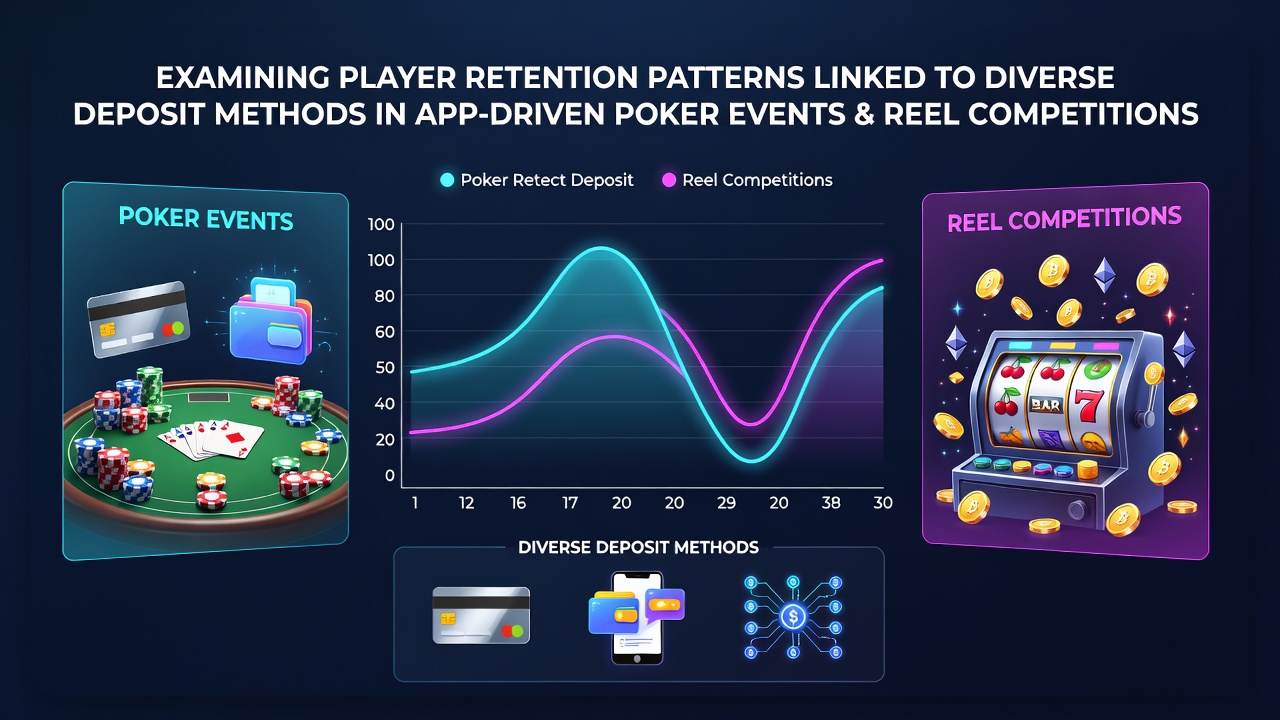
App-driven poker events and reel competitions continue to expand their reach through smartphones and tablets, and researchers track how different deposit methods connect to patterns of continued play. Data from industry reports show that players who use a range of funding options often maintain longer engagement periods compared with those limited to single payment types, while transaction speed and availability influence session length across both poker buy-ins and slot tournaments.
Payment Options Shape Participation Length
Multiple funding channels such as credit cards, digital wallets, bank transfers, and prepaid vouchers appear in most major mobile gaming platforms, and studies indicate that platforms offering three or more methods report higher average return rates within thirty days of initial deposits. Observers note that instant options reduce friction at the point of entry, which in turn supports repeated entries into poker events or reel competitions without extended pauses between sessions. Figures from regulatory filings reveal that in the first half of 2026, states with expanded mobile options saw deposit volumes rise steadily, yet retention metrics varied depending on which methods users selected most frequently.
Regional Data and Platform Comparisons
Analysts at the New Jersey Division of Gaming Enforcement documented that mobile poker rooms using diversified deposit systems maintained monthly active user counts above prior-year levels through July 2026, while platforms restricted to fewer methods experienced flatter curves. Similar patterns emerged in reel competitions where users could alternate between stored-value cards and real-time bank links, and these alternations correlated with extended play windows during evening peak hours. One study released by a university research group in Australia examined transaction logs across several apps and found that players switching between at least two deposit types completed 18 percent more tournament entries over a three-month span than single-method users.
Transaction Speed and User Behavior
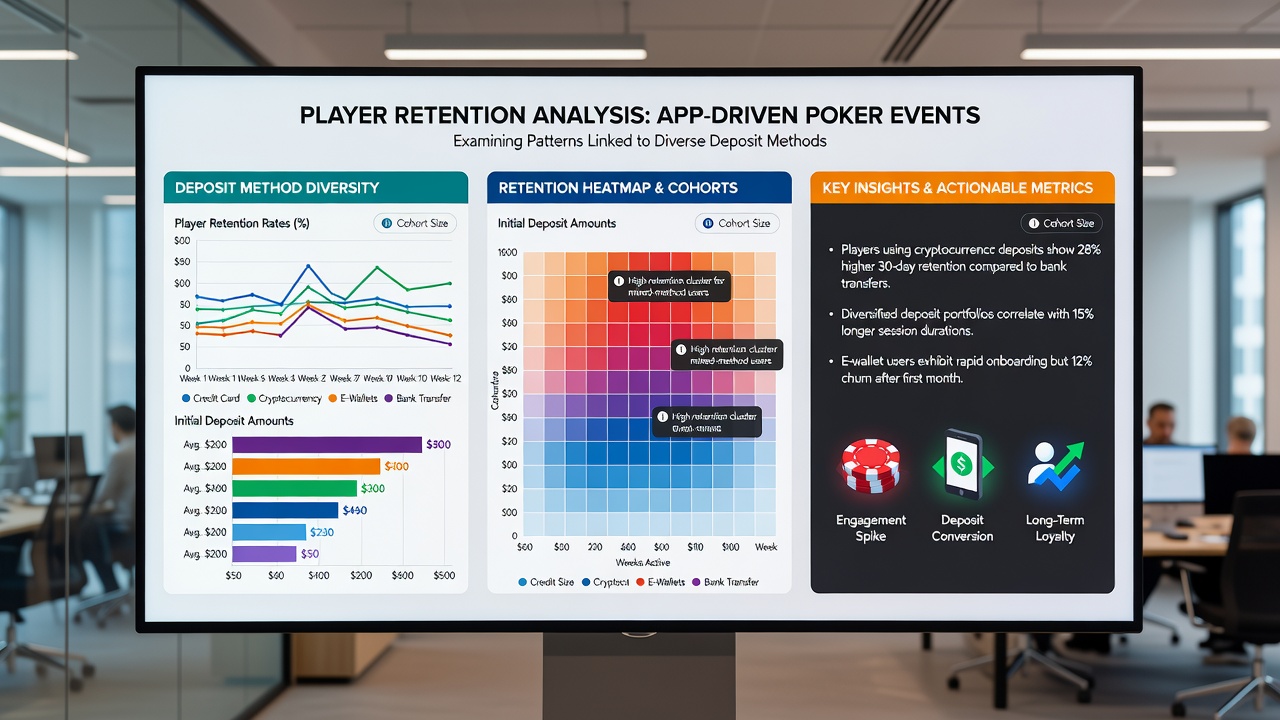
Speed of deposit processing influences how quickly participants re-enter events after a loss or win, and evidence suggests that methods completing in under thirty seconds support tighter loops of play. In contrast, options requiring manual approval or multi-day clearing times coincide with longer gaps between logins, which researchers associate with reduced overall retention. Platforms that surface multiple choices at the deposit screen allow users to select based on immediate needs, and this flexibility appears in data sets covering both poker buy-ins and reel spin sequences. Figures released in mid-2026 showed that apps integrating instant e-wallet links recorded average session durations 12 minutes longer than those relying primarily on card processing alone.
Case Examples from Live Platforms
Take one operator that introduced a new prepaid voucher system in spring 2026; logs indicated a measurable uptick in repeat logins among users who adopted the voucher alongside existing card options. Another platform tracked device-level data and observed that players accessing both poker events and reel competitions through the same account retained higher when they could fund either activity from a shared wallet balance. These examples illustrate how deposit variety supports cross-format engagement without requiring separate funding steps for each game type.
Regulatory Context and Reporting Standards
Government agencies in multiple jurisdictions require operators to report deposit method usage alongside retention statistics, and these filings provide the raw material for pattern analysis. The Nevada Gaming Control Board, for instance, collects monthly breakdowns that separate instant versus delayed funding channels, allowing external researchers to correlate payment speed with churn rates. European regulators have begun requesting similar granularity in 2026 filings, which expands the available data pool beyond North America. Such standardized reporting helps identify whether certain deposit combinations consistently link to longer participation windows across poker and reel formats.
Future Monitoring and Data Expansion
Continued collection of transaction and login data will clarify whether emerging methods such as account-to-account transfers further strengthen retention when added to existing selections. Observers expect that July 2026 numbers and subsequent quarters will supply additional comparison points, particularly as more states finalize mobile licensing rules. Industry groups including the American Gaming Association have begun compiling aggregated datasets that strip personal identifiers while preserving method-type and session-length variables, which supports broader statistical examination without compromising privacy standards.
Conclusion
Available records demonstrate measurable associations between deposit method diversity and sustained participation in app-based poker events and reel competitions, with faster options often aligning with tighter return intervals. Regulatory reports and platform logs continue to supply the evidence base, and expanded data collection through the remainder of 2026 will refine these observations further. Players, operators, and oversight bodies each rely on these patterns when evaluating funding infrastructure and engagement strategies.