Cryptocurrency Trends Driving Bonus Engagement in Portable Poker and Reel Games
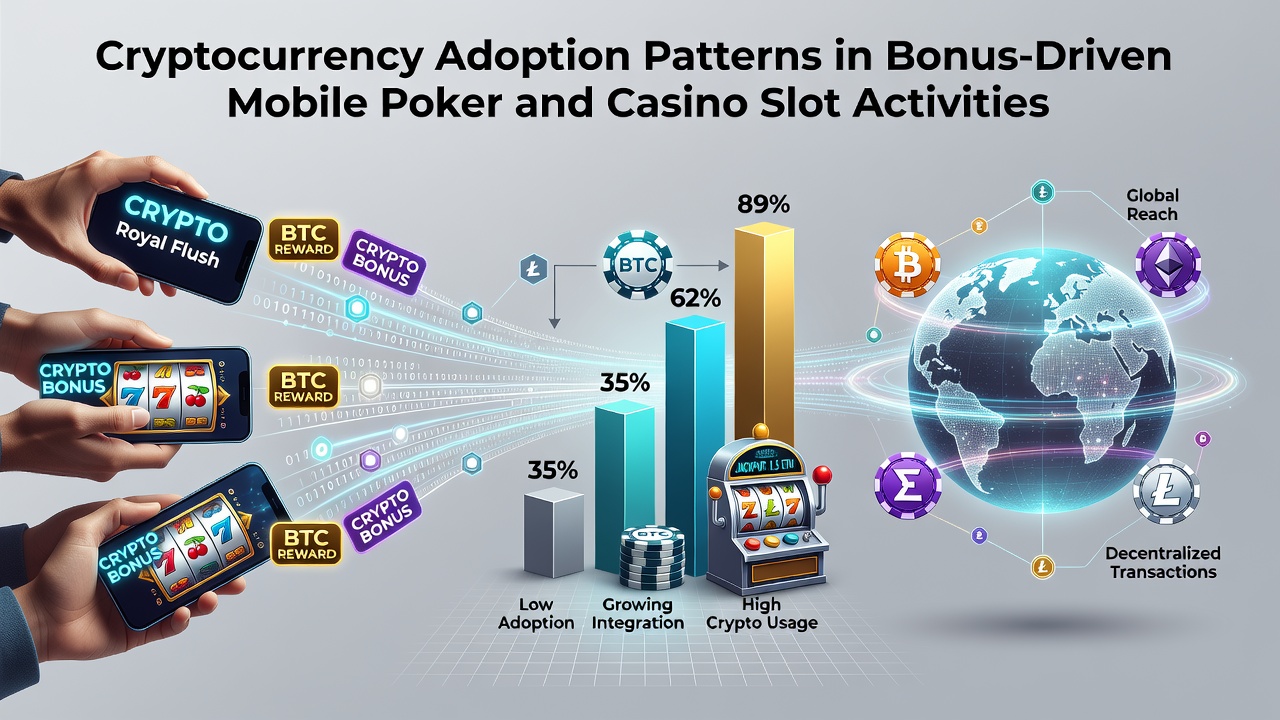
Data from mid-2026 shows cryptocurrency integration accelerating within bonus systems for mobile poker and slot applications, where digital assets facilitate quicker deposits and tailored reward structures that extend player sessions across devices. Observers note that by June 2026 several platforms reported measurable shifts toward crypto-based incentives, particularly in regions with established regulatory frameworks for online gaming.
Adoption Metrics and Platform Shifts
Figures released through industry tracking indicate that crypto transactions accounted for an increasing share of bonus-funded activities in mobile environments during the first half of 2026, with adoption rates varying by game type and geographic market. Researchers tracking transaction pathways discovered that poker applications saw steady uptake of stablecoin options for buy-ins, while slot platforms leaned toward volatile asset rewards that aligned with promotional multipliers. Those who analyzed user data found patterns where crypto bonuses correlated with longer session durations compared to traditional payment methods, although exact causation remained tied to specific incentive designs.
What's interesting is how these patterns emerged alongside broader mobile infrastructure improvements, allowing seamless wallet connections that reduced friction during deposit adn withdrawal cycles. Experts tracking the space point to regulatory clarity in certain jurisdictions as a catalyst, enabling platforms to expand crypto options without disrupting existing compliance requirements.
Bonus Structures Tailored to Mobile Poker
In mobile poker circuits, cryptocurrency adoption often manifests through deposit-match promotions denominated in digital assets, where players receive proportional bonuses upon funding accounts with coins such as Bitcoin or Ethereum. Studies of engagement metrics reveal that these structures frequently incorporate time-bound multipliers tied to tournament entries, encouraging repeated participation within compressed windows. Observers tracking player behavior noted that crypto-enabled rakeback programs appeared more frequently in June 2026 updates, rewarding consistent volume with asset returns rather than fiat credits.
Take one analysis of transaction logs which showed that poker users converting crypto bonuses into tournament chips tended to extend play across multiple tables simultaneously, a pattern less pronounced in non-crypto cohorts. Regulatory bodies like the New Jersey Division of Gaming Enforcement have documented rising volumes of such activities, providing baseline statistics that highlight regional differences in uptake speed.
Slot Platforms and Reel-Based Incentive Models
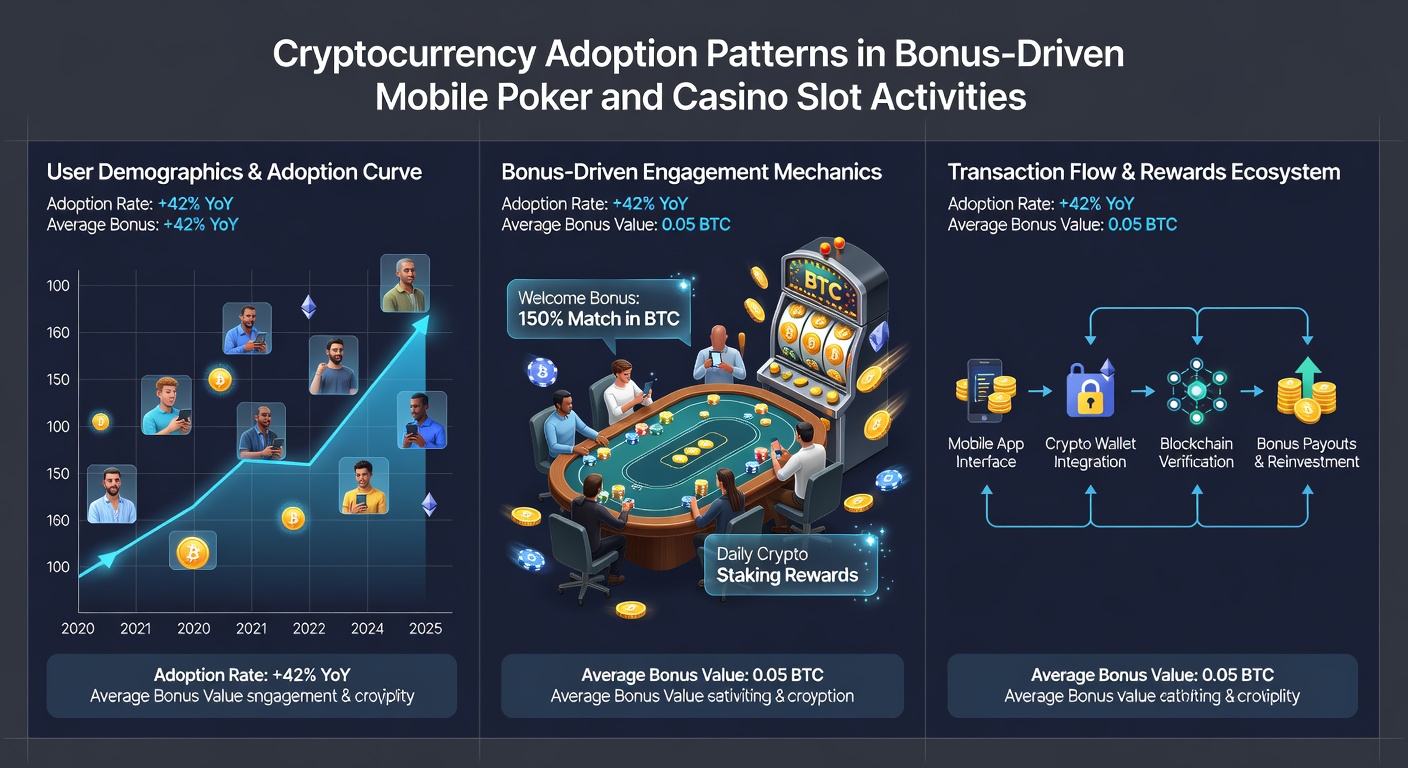
Slot activities display distinct adoption curves where crypto bonuses often appear as free-spin allocations funded through digital deposits, with win multipliers sometimes settled directly into player wallets. Data indicates that these mechanisms gained traction in markets with high mobile penetration, as reel competitions benefited from instant verification processes that traditional banking rails could not match. Those who've examined engagement reports found that users interacting with crypto-funded slot bonuses frequently triggered additional promotional layers, such as loyalty tiers unlocked through asset staking within the app ecosystem.
But here's the thing: platforms adjusted volatility settings in certain titles to accommodate crypto reward fluctuations, ensuring bonus values remained competitive even as asset prices shifted. Australian regulatory sources through the Victorian Commission for Gambling and Liquor Regulation have compiled comparative figures showing how these adaptations influenced overall participation rates in portable formats throughout early 2026.
Regional and Device-Driven Variations
Patterns diverged notably between North American and European markets, with the former emphasizing stablecoin usage for predictable bonus valuations while the latter explored tokenized loyalty points convertible across multiple operators. Device data collected in June 2026 underscored that iOS users encountered fewer integration hurdles than Android counterparts in certain regions, owing to differing app store policies on digital asset handling. Researchers discovered that cross-device synchronization of crypto balances helped sustain engagement when players switched between poker tables and slot sessions within single accounts.
Industry organizations such as the American Gaming Association have aggregated reports that map these geographic distinctions, revealing how regulatory sandboxes accelerated testing of hybrid fiat-crypto bonus hybrids in select jurisdictions.
Transaction Pathways and Session Extension
Evidence suggests that crypto adoption streamlined deposit-to-play sequences, shortening the interval between bonus activation and active gaming compared to legacy methods. Platforms that embedded wallet APIs directly into mobile interfaces recorded higher conversion rates from promotional offers into sustained activity, particularly during peak evening hours across time zones. Those monitoring flow analytics observed that seamless on-chain confirmations reduced abandonment points that once interrupted poker buy-ins or slot chases.
Yet patterns also highlighted occasional friction when network congestion affected transaction speeds, prompting some operators to introduce fallback layers using layer-two solutions. Such adjustments maintained continuity without altering core bonus mathematics.
Conclusion
Overall, cryptocurrency patterns in bonus-driven mobile poker and slot activities reflect ongoing adaptation to payment preferences and regulatory environments as of June 2026. Continued monitoring by oversight agencies and research groups will clarify how these integrations evolve alongside technological and market developments.